Pollaste is a term that has gained attention in various contexts, from cultural discussions to culinary traditions. Its relevance spans food, farming, and lifestyle, making it an interesting subject for anyone looking to understand its full meaning and applications. In this article, we will explore pollaste in depth, covering its origins, uses, and why it has become a term of interest online and in real-world practices.
What Does Pollaste Mean?
The word pollaste has different interpretations depending on the context. In certain languages, pollaste refers to chicken or poultry, highlighting its connection to food and agriculture. It is often associated with traditional dishes and home cooking, where pollaste is a staple ingredient. Beyond its literal meaning, the term can also reflect cultural and social practices tied to food preparation and consumption.
Pollaste in Culinary Traditions
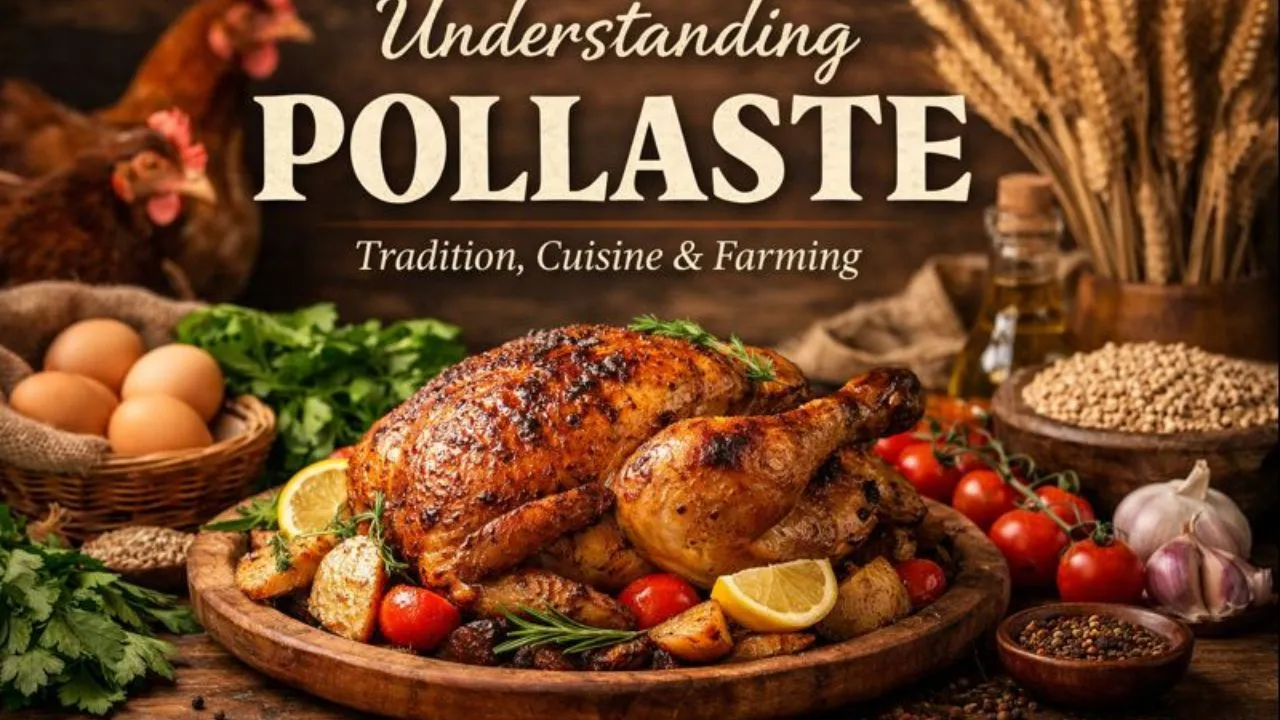
Pollaste has a long-standing role in culinary traditions around the world. In households and restaurants, it is commonly used as a main ingredient in various recipes. From roasted pollaste to stews and grilled dishes, its versatility makes it a favorite among cooks. The methods of preparing pollaste vary based on local traditions, spices, and cooking styles, but its central importance in meals remains consistent.
In many cultures, pollaste dishes are also linked to celebrations and special occasions. Families often prepare pollaste during festivals or gatherings, making it a symbol of togetherness and nourishment. Recipes for pollaste are passed down through generations, ensuring that the culinary heritage remains alive.
Pollaste and Sustainable Farming
Beyond the kitchen, pollaste is closely tied to agriculture and farming practices. Sustainable pollaste farming focuses on raising poultry in humane and environmentally responsible ways. Farmers are increasingly aware of the need to maintain ethical standards while producing high-quality pollaste for consumption. This includes proper feeding, clean living conditions, and minimal use of chemicals or antibiotics.
Sustainable pollaste farming not only benefits the environment but also ensures healthier and tastier poultry products for consumers. Supporting local and responsible pollaste farms has become an important trend among people who care about food quality and ethical consumption.
Nutritional Value of Pollaste
Pollaste is rich in essential nutrients, making it an important part of a balanced diet. It is an excellent source of protein, vitamins, and minerals, which are vital for overall health. Protein from pollaste supports muscle growth and repair, while its vitamins and minerals contribute to energy production and immune system function.
For those seeking a healthy diet, incorporating pollaste into meals provides a nutritious option without excessive fats or calories. Its adaptability in cooking ensures that it can be prepared in healthy ways, such as baking, grilling, or steaming.
Pollaste in Modern Cuisine
In modern cuisine, pollaste has evolved from a traditional staple to a versatile ingredient in contemporary dishes. Chefs and food enthusiasts experiment with pollaste, combining it with global flavors and innovative cooking techniques. From salads and wraps to gourmet recipes, pollaste adapts well to various culinary innovations.
Its appeal in modern cooking also stems from its ability to absorb flavors and complement different ingredients. This flexibility makes pollaste a favorite for both home cooks and professional chefs looking to create exciting dishes.
Cultural Significance of Pollaste
Pollaste carries cultural significance in many regions. Beyond being a food item, it represents tradition, community, and lifestyle. Festivals, family gatherings, and cultural celebrations often feature pollaste as a central dish. Its preparation and sharing are seen as acts that strengthen social bonds and preserve heritage.
In some societies, pollaste is also linked to symbolic meanings, such as prosperity or hospitality. This makes it more than just a culinary ingredient—it becomes a part of social and cultural identity.
How to Choose Quality Pollaste
Choosing high-quality pollaste is important for taste, nutrition, and safety. Freshness, appearance, and smell are key indicators when selecting pollaste for cooking. Ideally, pollaste should have firm flesh, a natural color, and minimal odor. For those purchasing from farms or markets, understanding the source and farming practices ensures better quality.
Additionally, awareness of ethical farming practices can guide consumers in choosing pollaste that aligns with their values, promoting responsible consumption.
Cooking Tips for Pollaste
Cooking pollaste properly enhances its flavor and texture. Here are some helpful tips:
- Marinating: Use herbs, spices, and acidic ingredients to tenderize and flavor pollaste.
- Proper Cooking Temperature: Ensure pollaste reaches the correct internal temperature to maintain safety and juiciness.
- Avoid Overcooking: Overcooking can make pollaste dry; slow cooking or roasting can help retain moisture.
- Pairing Ingredients: Pollaste pairs well with vegetables, grains, and a variety of sauces, making it versatile for multiple dishes.
These tips allow anyone to enjoy pollaste in its best form while exploring creative recipes.
Pollaste in Online Discussions
Recently, pollaste has become a topic in online forums and blogs. People discuss recipes, farming practices, and cultural traditions associated with pollaste. Its rise in online attention shows that interest in food, sustainability, and cultural heritage remains strong. Content creators often focus on pollaste due to its universal appeal and multiple angles for storytelling.
Conclusion
Pollaste is more than just a word or a food item. It represents culture, nutrition, and responsible farming practices. From traditional kitchens to modern culinary experiments, pollaste continues to play a significant role in daily life. Understanding its nutritional benefits, cooking methods, and cultural significance helps anyone appreciate the value of pollaste in both food and society. By choosing quality pollaste and exploring its versatility, we can enjoy this staple in meaningful and delicious ways.
FAQs about Pollaste
1. What does pollaste mean?
Pollaste commonly refers to chicken or poultry and can also represent cultural and culinary practices.
2. Is pollaste healthy to eat?
Yes, pollaste is rich in protein, vitamins, and minerals, making it a nutritious food choice.
3. How is pollaste traditionally prepared?
It is often roasted, stewed, grilled, or cooked with herbs and spices according to local traditions.
4. Can pollaste be part of sustainable farming?
Absolutely. Ethical and responsible pollaste farming ensures humane treatment and environmental sustainability.
5. Why is pollaste popular online?
People discuss pollaste for recipes, cooking tips, and cultural significance, making it a trending topic in food and lifestyle communities.
Read More: What Is (61285034690)? A Simple and Complete Guide for Everyone
About the Author