
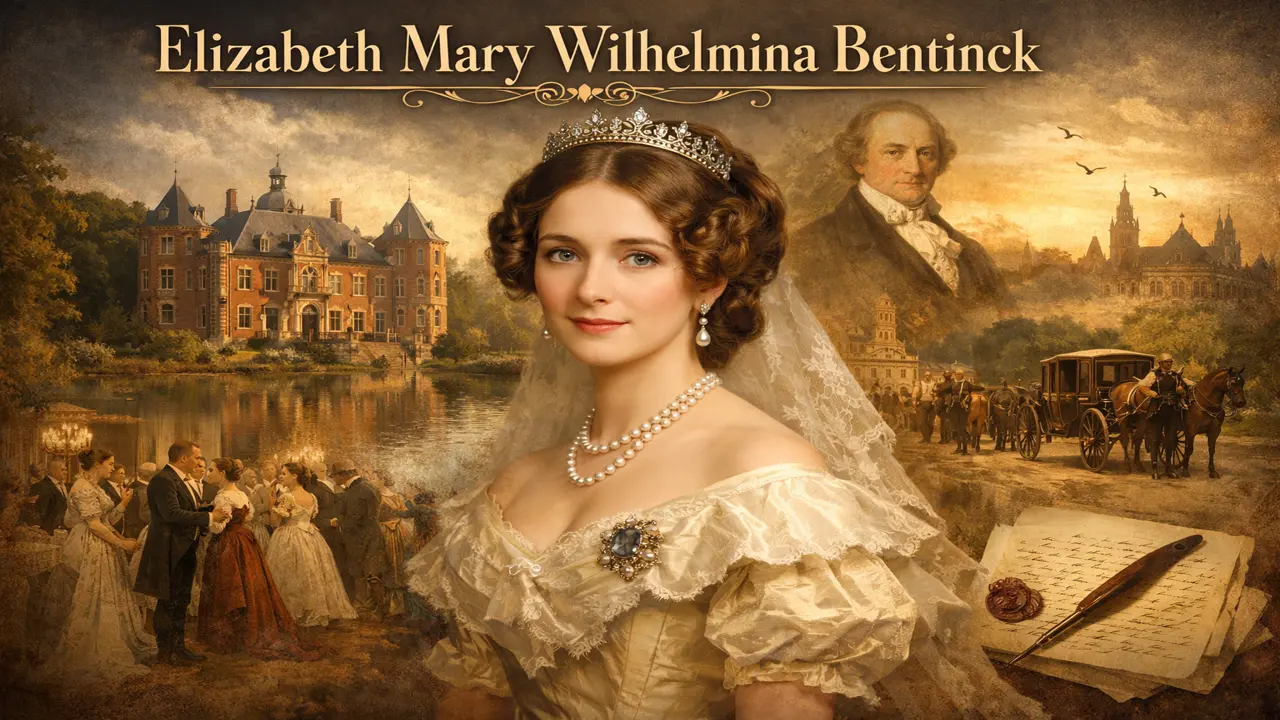
When people search for elizabeth mary wilhelmina bentinck, they are often curious about more than just a name. They want a story. They want meaning, background, and context explained in a simple way. Elizabeth Mary Wilhelmina Bentinck belongs to a historic European family that played an important role in noble society. Her life reflects tradition, heritage, and quiet influence rather than loud fame. Unlike modern celebrities, her importance comes from lineage, family responsibility, and social standing. Understanding her story helps readers better understand European nobility and how aristocratic families shaped history behind the scenes. This article explores her background, family roots, lifestyle, and historical value in a clear and friendly way. Everything is explained using simple language so anyone can enjoy learning, even younger readers. By the end, you will understand why elizabeth mary wilhelmina bentinck remains a meaningful historical figure today.
Elizabeth Mary Wilhelmina Bentinck – Quick Bio
| Field | Details |
|---|---|
| Full Name | Elizabeth Mary Wilhelmina Bentinck |
| Known For | European aristocratic heritage |
| Family Name | Bentinck |
| Nationality | European (Dutch nobility roots) |
| Birthplace | Europe (exact location not publicly documented) |
| Era | Historical aristocratic period |
| Social Status | Noblewoman |
| Education | Aristocratic private education |
| Primary Role | Family, social, and cultural responsibilities |
| Public Recognition | Historical and genealogical interest |
| Lifestyle | Traditional noble lifestyle |
| Legacy | Representation of noble heritage and tradition |
Early Life and Family Background
Elizabeth Mary Wilhelmina Bentinck was born into a well-established aristocratic family with deep European roots. The Bentinck family was known for its strong presence in noble circles, especially in the Netherlands and surrounding regions. From an early age, she was surrounded by tradition, etiquette, and social responsibility. Children in noble families were raised with clear expectations. Education focused on manners, history, language, and moral conduct. Elizabeth Mary Wilhelmina Bentinck likely grew up in an environment where family honor mattered greatly. Her early life helped shape her calm, reserved public image. While records about her childhood are limited, her upbringing followed strict aristocratic customs. These customs emphasized duty over personal fame. This background explains why she is remembered more for her heritage than public achievements. Her early years laid the foundation for a life rooted in tradition and social balance.
The Historical Importance of the Bentinck Family
To understand elizabeth mary wilhelmina bentinck, it is important to understand the Bentinck family itself. The Bentincks were a noble family with political and social influence across Europe. Over generations, family members served as advisors, landowners, and respected figures within royal courts. Their power did not always appear in public headlines, but it was deeply rooted in governance and diplomacy. Elizabeth Mary Wilhelmina Bentinck was part of this long tradition. Her name carried weight and respect in aristocratic society. Family history influenced how she lived, behaved, and interacted with others. The Bentinck legacy focused on loyalty, discretion, and service. This background shaped her role as a quiet yet meaningful figure. The family’s importance helps explain why historians and researchers continue to show interest in her life today.
Education and Aristocratic Values
Education played a major role in the life of Elizabeth Mary Wilhelmina Bentinck. Noble children were educated differently than ordinary citizens. Learning went beyond reading and writing. It included language skills, cultural awareness, and social etiquette. Elizabeth Mary Wilhelmina Bentinck was likely taught how to behave in formal settings and represent her family with dignity. Education also focused on understanding history and responsibility. Aristocratic women were expected to manage households and support family connections. While they rarely held public power, their influence was social and cultural. This form of education helped Elizabeth navigate noble society with confidence. Her training reflected the values of patience, respect, and self-control. These qualities defined her public image. Education shaped her role as a stabilizing presence within her family and social circle.
Life as a Noblewoman in Her Era
Living as a noblewoman during her time meant following strict social rules. Elizabeth Mary Wilhelmina Bentinck lived in a world where public behavior was carefully observed. Every action reflected on the family name. Noblewomen often focused on family duties, social events, and charitable causes. Personal freedom was limited compared to modern standards. However, their influence was subtle but powerful. Elizabeth Mary Wilhelmina Bentinck likely attended formal gatherings and maintained important relationships. These connections helped preserve family status and unity. Life was structured and predictable. Daily routines followed tradition rather than personal desire. While this lifestyle may seem restrictive today, it was respected during her era. Understanding this context helps readers appreciate her quiet strength and lasting legacy.
Social Responsibilities and Expectations
Elizabeth Mary Wilhelmina Bentinck lived under strong expectations placed on noble families. Society expected her to act with grace and dignity at all times. Social responsibilities included hosting events, supporting relatives, and maintaining social harmony. Noblewomen often played the role of peacekeepers within family networks. Elizabeth Mary Wilhelmina Bentinck likely balanced personal emotions with public duty. This responsibility required emotional strength and discipline. Her behavior reflected the values of her class. Mistakes could damage family reputation, so caution was essential. These expectations shaped her public image as reserved and composed. Although she may not have had political power, her social role was significant. Her actions helped protect the Bentinck family’s standing within aristocratic society.
Marriage and Family Life
Marriage was an important part of aristocratic life. For Elizabeth Mary Wilhelmina Bentinck, marriage likely involved strategic planning rather than romance alone. Noble marriages strengthened alliances between families. Family life focused on continuity and heritage. Elizabeth Mary Wilhelmina Bentinck’s role would have included managing household affairs and supporting family traditions. Children were raised to respect lineage and responsibility. Her family life reflected long-standing customs passed down through generations. While personal details remain private, her role as a wife and family member was socially important. Aristocratic women shaped future generations through upbringing and values. Her influence extended quietly through family relationships rather than public achievements.
Personal Character and Reputation
Historical records often describe Elizabeth Mary Wilhelmina Bentinck as a dignified and private individual. Her reputation focused on calm behavior and social grace. She was not known for scandals or controversy. This alone speaks volumes in aristocratic history. Maintaining a clean reputation required careful choices. Elizabeth Mary Wilhelmina Bentinck understood the importance of discretion. Her personal character aligned with the expectations of noble society. People respected her for consistency and reliability. She represented stability during a time when public image mattered greatly. Her quiet reputation helped preserve the Bentinck family’s long-standing honor. This steady presence is one reason she remains a subject of interest today.
Cultural and Historical Influence
Although she did not seek fame, Elizabeth Mary Wilhelmina Bentinck contributed to cultural continuity. Aristocratic families preserved traditions during periods of social change. Her life reflected values that shaped European noble culture. Through everyday actions, she helped maintain customs that defined her era. This influence may seem small, but it was meaningful. Culture is preserved through people who respect tradition. Elizabeth Mary Wilhelmina Bentinck served as a bridge between generations. Her lifestyle helped pass down customs that historians study today. This makes her life relevant to understanding noble history. Influence does not always require loud leadership. Sometimes it exists quietly through consistency and presence.
Why People Still Search Her Name Today
Many people search for elizabeth mary wilhelmina bentinck because of curiosity about noble history. Her name represents a time when family heritage shaped identity. Researchers, historians, and readers enjoy learning about lesser-known aristocratic figures. These individuals provide insight into daily noble life. Elizabeth Mary Wilhelmina Bentinck offers a human perspective on history. She was not a ruler, but she mattered within her social structure. Her story helps complete the larger picture of European nobility. Modern readers value authenticity and depth. Her life provides both in a quiet, meaningful way.
Common Myths and Misunderstandings
Some readers expect dramatic stories when researching aristocrats. However, Elizabeth Mary Wilhelmina Bentinck’s life was more about responsibility than rebellion. This often leads to misunderstandings. A lack of dramatic records does not mean a lack of importance. Her role was subtle by design. Noble society valued stability over attention. Elizabeth Mary Wilhelmina Bentinck fulfilled expectations placed upon her. Myths sometimes exaggerate or invent stories. Reliable history focuses on context and evidence. Understanding her real life helps avoid false assumptions. Her story teaches that not all influence is loud or visible.
Her Legacy in Modern Times
Elizabeth Mary Wilhelmina Bentinck’s legacy exists through historical memory and family heritage. She represents a class of women who shaped history quietly. Her life reminds us that history includes more than famous leaders. It includes those who maintained structure and tradition. Modern readers appreciate these stories because they feel authentic. Her legacy teaches patience, responsibility, and dignity. These values remain relevant today. Although centuries may pass, names like hers continue to spark interest. Her legacy lives on through research, curiosity, and cultural study.
Lessons We Can Learn From Her Lif
There is much to learn from Elizabeth Mary Wilhelmina Bentinck’s life. She shows the value of quiet strength. Not every meaningful life seeks attention. Responsibility, consistency, and respect matter. Her story teaches balance between personal identity and social duty. In a fast-paced modern world, these lessons feel refreshing. Her life encourages readers to value integrity over recognition. These lessons explain why her story still matters. History often rewards those who serve quietly. Elizabeth Mary Wilhelmina Bentinck is a perfect example of that truth.
Frequently Asked Questions (FAQs)
1.Who was Elizabeth Mary Wilhelmina Bentinck?
Elizabeth Mary Wilhelmina Bentinck was a noblewoman from the respected Bentinck family. She lived a life shaped by aristocratic tradition and social responsibility. Her importance comes from heritage rather than public fame. She represents the quiet influence of noble women in European history. Her life reflects values of dignity, duty, and stability that defined her era.
2.Why is Elizabeth Mary Wilhelmina Bentinck historically important?
She is important because she belonged to a powerful noble lineage. Her life helps historians understand how aristocratic families functioned. Elizabeth Mary Wilhelmina Bentinck played a social and cultural role that supported family legacy. Her story adds depth to the study of European nobility and tradition.
3,Was Elizabeth Mary Wilhelmina Bentinck a public figure?
She was not a public figure in the modern sense. Her influence was private and social. Noblewomen often worked behind the scenes. Elizabeth Mary Wilhelmina Bentinck contributed through family roles and social expectations. This type of influence was common and respected in her time.
4.What kind of life did she live?
She lived a structured and traditional life. Daily routines followed aristocratic customs. Social behavior was carefully guided by etiquette. Elizabeth Mary Wilhelmina Bentinck focused on family, responsibility, and maintaining social harmony. Her life reflected stability rather than adventure.
5.Why is there limited information about her?
Many noblewomen were not heavily documented unless involved in major events. Privacy was valued. Elizabeth Mary Wilhelmina Bentinck lived quietly within expected roles. This explains why records are limited. Her importance lies in context rather than dramatic events.
6.Why do people still research her today?
People research her to understand noble society better. Elizabeth Mary Wilhelmina Bentinck represents everyday aristocratic life. Her story fills gaps in historical understanding. Readers value authentic, lesser-known figures who shaped history quietly.
Conclusion
Elizabeth Mary Wilhelmina Bentinck may not be widely known, but her life holds deep historical value. She represents tradition, responsibility, and quiet influence. Her story helps us understand how noble families preserved culture and structure. In a world focused on fame, her life reminds us that dignity and duty also shape history. Learning about elizabeth mary wilhelmina bentinck offers insight into a forgotten but meaningful past. If you enjoy uncovering hidden historical stories, her life is worth remembering. Share your thoughts, explore further, and keep history alive through curiosity.
Read More: Understanding Air Force Academy Civilian Faculty Resignations and Their Impact on Military Education
About the Author