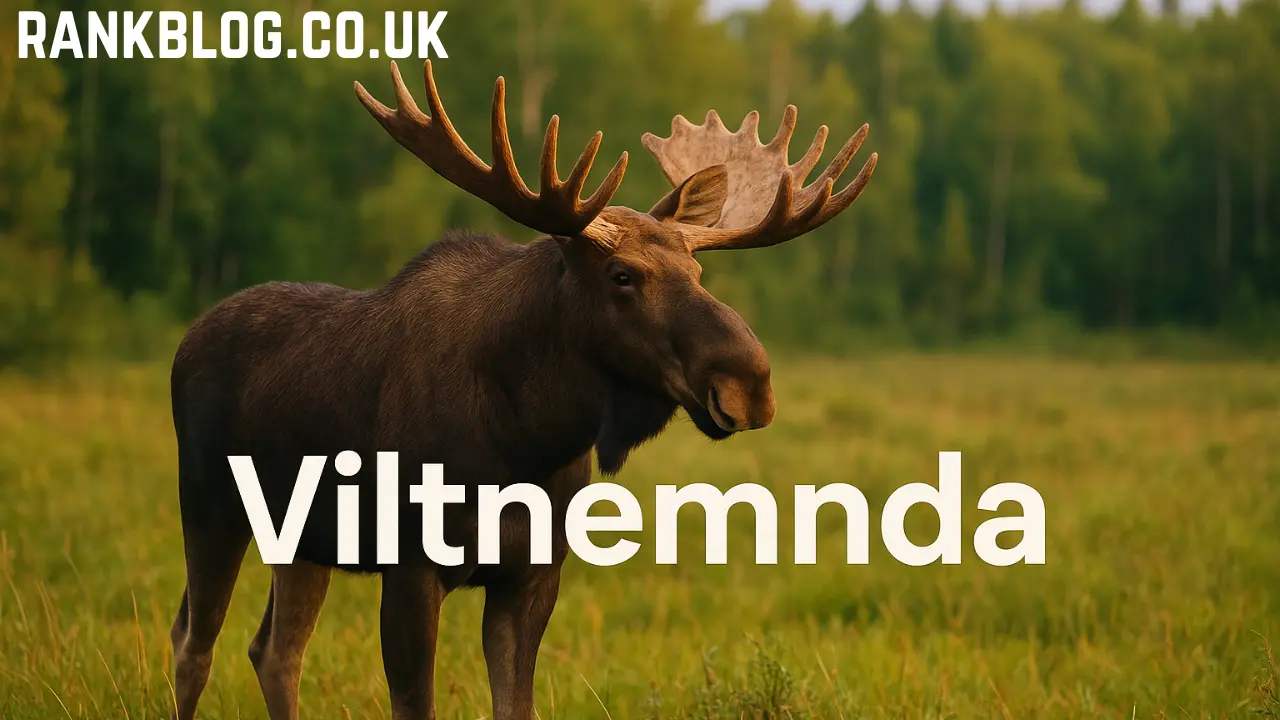
In Norway, where vast forests, mountain ranges, and open landscapes are home to rich wildlife populations, the need for organized and responsible management of these natural resources is essential. The system that bridges the gap between national wildlife policies and the everyday realities of local communities is known as Viltnemnda. This municipal wildlife board operates as the front line of wildlife management, ensuring balance between human safety, ecological preservation, and the traditions of hunting and outdoor life deeply rooted in Norwegian culture.
Viltnemnda is not a single institution but a collective term used for wildlife committees appointed by municipalities across Norway. Their role is multifaceted they handle everything from setting hunting quotas for species like deer and moose, to responding to road accidents involving wild animals, to resolving conflicts between human activity and wildlife presence. Understanding how this system functions provides valuable insight into how Norway maintains harmony between humans and nature.
The Foundation and Legal Framework of Viltnemnda
The structure of Viltnemnda is founded on Norwegian law, primarily under the Wildlife Act (Viltloven) and the Biodiversity Act (Naturmangfoldloven). Each municipality establishes its own wildlife board, typically composed of elected representatives and local experts with knowledge of forestry, hunting, or environmental management. The purpose of this setup is to ensure that wildlife decisions reflect both scientific understanding and local experience.
Municipal councils appoint the members of Viltnemnda and grant them authority to make decisions related to wildlife management within their boundaries. This delegation of power makes the committees highly adaptable to local conditions. For example, the wildlife needs in a coastal community differ vastly from those in inland forest regions, and Viltnemnda adjusts its management approach accordingly. The board’s activities also align with the Norwegian government’s broader environmental goals, ensuring that local actions contribute to national sustainability targets.
Core Responsibilities of Viltnemnda
The responsibilities of Viltnemnda are broad and often demanding. They include regulatory duties, emergency response, and advisory functions that collectively sustain the balance of Norway’s wildlife populations.
One of the most visible roles of Viltnemnda is to set and approve annual and multi-year population plans, known as “bestandsplaner.” These plans determine how many animals of each species can be hunted in a given area, based on population size, reproduction rates, and ecological balance. Such planning prevents overhunting and ensures that wildlife populations remain healthy and sustainable.
In addition, Viltnemnda handles practical challenges such as wildlife-vehicle collisions—a recurring issue in rural Norway. When an animal is struck by a vehicle, the board’s representatives are often the first responders. They assess the situation, ensure public safety, and humanely handle any injured animals. This hands-on role is crucial in protecting both people and wildlife while maintaining ethical standards of treatment.
Wildlife Population Planning and Hunting Quotas
Population management is one of the most strategic and scientific aspects of the work carried out by Viltnemnda. By carefully monitoring wildlife numbers and their impact on local ecosystems, the committees are able to design effective population control strategies.
For example, deer and moose populations can grow rapidly in certain regions, leading to increased traffic collisions and overgrazing of forest areas. To prevent ecological imbalance, Viltnemnda collaborates with landowners, hunters, and researchers to determine sustainable hunting quotas. These quotas are not randomly set they rely on data from previous hunting seasons, field observations, and local reporting systems. The objective is always long-term stability: maintaining viable wildlife populations while protecting agricultural land, forests, and human communities.
This system highlights the Norwegian approach to wildlife as a shared resource valued, respected, and scientifically managed. The process reinforces local participation, as landowners and hunting associations often contribute directly to the planning process. It also illustrates how Viltnemnda balances tradition with modern environmental policy.
Responding to Wildlife Incidents and Emergencie
Norwegian landscapes, while beautiful, create frequent opportunities for wildlife to interact with human activity—sometimes with unfortunate results. Every year, thousands of vehicle collisions with moose and deer occur across the country. In such situations, Viltnemnda plays an immediate and vital role.
When accidents happen, members of the committee or their assigned representatives are dispatched to the site. They assess the animal’s condition and determine whether it can be saved or must be euthanized to prevent suffering. They also coordinate with police and local authorities to ensure public safety and record all details of the event for future statistical analysis. This data later informs road safety campaigns and preventive measures such as wildlife fencing and warning signage.
Beyond traffic incidents, Viltnemnda also deals with cases where wild animals stray into residential areas. For instance, if a moose wanders into a town or a fox shows signs of disease near populated zones, the board steps in to manage the situation safely and efficiently. These interventions demonstrate how deeply embedded the system is in Norwegian community life.
Managing Human–Wildlife Conflicts
As human development expands into natural habitats, conflicts between people and wildlife inevitably increase. Crops, pets, and livestock can all be affected by wild animals searching for food or territory. Viltnemnda acts as a mediator in these conflicts, using both preventive and responsive measures to restore balance.
In some cases, the committee authorizes targeted removal of problem animals, but it also encourages non-lethal solutions whenever possible. This may include adjusting hunting zones, recommending fencing, or promoting coexistence strategies for landowners. When animals pose a serious threat to safety or property, Viltnemnda follows legal protocols to issue special permits for removal.
The committee’s goal is to make sure that management actions are justified, humane, and compliant with national guidelines. This balance between conservation ethics and community protection is what gives the Norwegian wildlife system its global reputation for fairness and sustainability.
Advisory and Administrative Functions
Apart from fieldwork, Viltnemnda also performs administrative and advisory functions. The board provides recommendations on matters related to the Wildlife Act, local hunting regulations, and use of municipal wildlife funds (viltfond). They review proposals for hunting seasons, evaluate applications for wildlife-related projects, and participate in the creation of local environmental policies.
In many municipalities, Viltnemnda is required to prepare an annual report detailing their activities, population trends, and financial management. This report is submitted to the municipal council, ensuring transparency and accountability. Many of these reports are made public, reinforcing the community’s trust in local wildlife governance.
Additionally, the board often serves as a bridge between hunters, environmental organizations, and the public. By maintaining open communication, Viltnemnda helps resolve disagreements and promotes understanding of wildlife conservation principles at the local level.
Public Safety and Road Management Involvement
The overlap between wildlife management and public safety is one of the most practical aspects of Viltnemnda’s work. The board collaborates with road authorities and law enforcement agencies to address areas with frequent wildlife crossings. They help identify hotspots, recommend speed adjustments, and initiate awareness campaigns to reduce collisions.
In some areas, reflective devices, fences, and underpasses are installed based on data collected through reports from Viltnemnda and police departments. The committees’ firsthand knowledge of local terrain and wildlife behavior makes them essential partners in designing effective safety solutions.
By engaging in this type of preventive work, Viltnemnda not only protects animals but also saves lives. Their continuous monitoring and quick responses make them an irreplaceable component of Norway’s public safety framework.
Environmental Stewardship and Biodiversity Protection
Beyond immediate wildlife issues, Viltnemnda plays a role in broader biodiversity management. Many boards are involved in implementing the Norwegian government’s environmental strategies at the municipal level, ensuring that local ecosystems remain diverse and resilient.
Through cooperation with environmental agencies, farmers, and forest managers, Viltnemnda works to maintain habitat quality for species ranging from large ungulates to small birds. This might involve habitat restoration, monitoring invasive species, or ensuring that land development projects consider wildlife corridors.
Such efforts show that Viltnemnda is not only reactive but also proactive—taking steps today that will protect Norway’s wildlife heritage for generations to come.
Transparency, Governance, and Community Involvement
One of the hallmarks of Norway’s public institutions is transparency, and Viltnemnda is no exception. Meetings are typically open to the public, and minutes are published on municipal websites. The board’s decisions can be reviewed, appealed, and discussed openly, ensuring that local citizens have a voice in wildlife management decisions.
The committees also rely heavily on local engagement. Landowners, hunters, and residents often report wildlife sightings, incidents, or concerns that inform decision-making. This creates a collaborative model in which ordinary citizens contribute to the protection and sustainable use of wildlife resources.
By maintaining this level of openness and participation, Viltnemnda strengthens public trust and encourages collective responsibility toward nature.
Challenges and the Road Ahead
Despite its effectiveness, Viltnemnda faces several modern challenges. Climate change is altering wildlife behavior and migration patterns, forcing the boards to adapt their management strategies. Increasing road networks and urban expansion mean more encounters between humans and wildlife, demanding faster responses and better coordination.
Financial and staffing limitations also affect smaller municipalities, where few people must cover large geographic areas. Yet even with these challenges, the structure of Viltnemnda remains resilient. Its combination of local knowledge, legal authority, and ethical management continues to make it one of the most respected local governance systems in Europe.
As Norway continues to balance development and conservation, Viltnemnda stands as a model of how decentralized management can work effectively for both people and nature. The future of wildlife management in Norway depends on the continued dedication of these local boards and the communities that support them.
Conclusion
In understanding Norway’s approach to wildlife management, one cannot overlook the crucial role of Viltnemnda. These municipal boards are the heartbeat of local conservation combining law, science, and community involvement to ensure that wildlife and humans coexist in balance.
Through their daily work handling emergencies, setting quotas, protecting habitats, and guiding policy Viltnemnda ensures that Norway’s wildlife remains a living symbol of the country’s natural heritage. The system’s success lies not only in its efficiency but in its values: respect for life, transparency in governance, and a belief that local people are the best stewards of their natural surroundings.
Frequently Asked Questions (FAQs)
1. What is Viltnemnda?
Viltnemnda is a municipal wildlife board in Norway responsible for managing local wildlife populations, handling emergencies involving animals, and implementing the country’s wildlife regulations at the community level.
2. Who appoints the members of Viltnemnda?
Members of Viltnemnda are appointed by the municipal council and often include local experts, hunters, and individuals with backgrounds in environmental management.
3. What are the main responsibilities of Viltnemnda?
The committee sets hunting quotas, responds to wildlife accidents, manages conflicts between humans and animals, and advises on local wildlife policies.
4. How does Viltnemnda contribute to public safety?
Viltnemnda works with police and road authorities to manage wildlife collisions, control urban wildlife incidents, and implement preventive safety measures in high-risk areas.
5. Why is Viltnemnda important for Norway’s environment?
Viltnemnda ensures sustainable wildlife management, maintains biodiversity, and promotes coexistence between humans and animals, making it an essential part of Norway’s conservation framework.
Read More: DGH A Meaning Uses and Importance in Science Medicine and Technology
About the Author