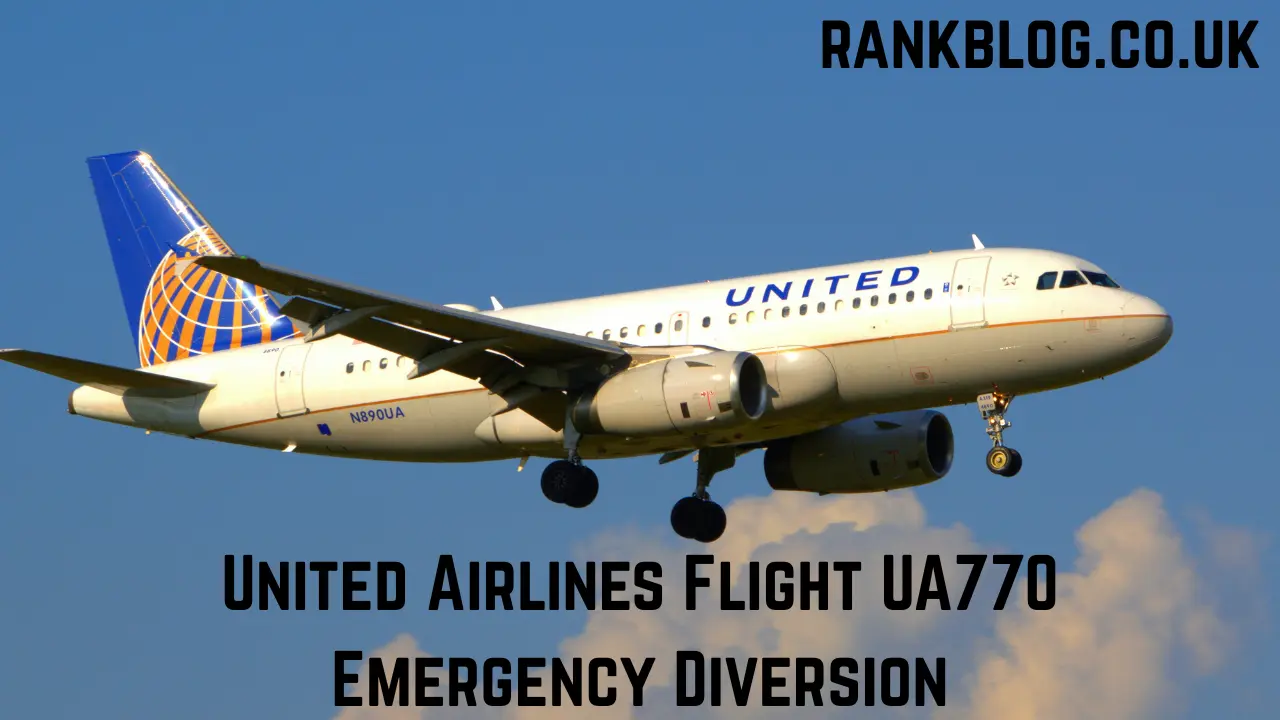
The United Airlines Flight UA770 emergency diversion represents a significant incident within the realm of aviation safety and protocol. This event, involving the diversion of a commercial flight, highlights the complexities and challenges that flight crews face while ensuring passenger safety during unforeseen circumstances. The emergency diversion was not just an operational response but a meticulous orchestration of safety measures aimed at protecting the lives of those on board.
Understanding such incidents is crucial for various stakeholders, including aviation professionals, regulators, and passengers. The incident showcases the rigorous standards and protocols that airlines must adhere to, particularly when emergencies arise mid-flight. It underscores the necessity of training flight crews to handle high-pressure situations effectively, ensuring that safety remains the top priority in aviation operations.
Background of United Airlines Flight UA770
United Airlines Flight UA770 operates on a specific route, connecting key cities and catering to numerous passengers. On this flight, the aircraft embarked from Los Angeles International Airport (LAX), a major hub of United Airlines, known for its extensive domestic and international services. The destination was Denver International Airport (DEN), another critical airport in the United Airlines network, serving as a pivotal point for both business and leisure travelers.
The aircraft assigned to United Airlines Flight UA770 was an Airbus A320, a well-regarded model in the aviation industry for its efficiency and comfort. This single-aisle aircraft is designed to accommodate a significant number of passengers while ensuring a smooth flying experience. The A320 is equipped with advanced avionics and safety systems that contribute to the reliability that travelers expect from established airlines such as United Airlines.
The expected flight path for UA770 typically includes a departure from the west coast, traversing across various geographical landmarks before reaching its final destination in Colorado. During the ascent, the flight usually passes over scenic mountain ranges and urban areas, providing passengers with stunning views of the landscape below. However, as often occurs in air travel, deviations from the planned route can become necessary due to unforeseen circumstances.
United Airlines Flight UA770 faced such a situation, which ultimately led to an emergency diversion. Understanding the foundational aspects of this flight lays the groundwork for comprehending the subsequent events that unfolded. This context creates an essential framework for discussing the details of the emergency diversion and the implications for passengers and crew during that critical time.
What Caused the Emergency Diversion?
The emergency diversion of United Airlines Flight UA770 can be attributed to a confluence of factors, primarily mechanical issues, health emergencies among passengers, and adverse weather conditions. Identifying these precise triggers allows for a comprehensive understanding of the incident and highlights the complexities involved in modern air travel.
Initially, it should be noted that mechanical issues are among the primary reasons for emergency diversions. A malfunction in aircraft systems can severely compromise the safety of a flight. In the case of flight UA770, reports indicate that there were indications of mechanical failures that prompted the flight crew to consider a diversion as a precautionary measure. Such issues can range from engine performance anomalies to electrical system malfunctions, all of which necessitate immediate attention to ensure the safety of both passengers and crew.
Additionally, health emergencies occurring among passengers can significantly impact the decisions made by flight crews. For instance, if a passenger experiences a medical crisis such as a heart attack or severe allergic reaction the flight crew may opt to divert to the nearest suitable airport to secure urgent medical aid. Such situations demand quick thinking and decisive action, underscoring the inherent unpredictability within any given flight experience.
Furthermore, adverse weather conditions also play a crucial role in emergency diversions. Inclement weather can hinder visibility and disrupt flight patterns, compelling crews to divert to an alternate route or destination. In the case of UA770, if adverse weather conditions were present along the intended flight path, this could have initiated the decision to divert in order to maintain aircraft safety.
In conclusion, the emergency diversion of United Airlines Flight UA770 was a multifaceted situation, involving potential mechanical issues, passenger health crises, and environmental factors. Understanding these causes helps illuminate the critical responsibilities that flight crews bear in ensuring passenger safety at all times.
The Emergency Response Protocols and Procedures
The emergency response protocols enacted during the United Airlines Flight UA770 emergency diversion exemplify the rigorous standards established by aviation regulatory bodies and airline procedures. Flight crews are extensively trained to handle a variety of inflight emergencies, with a focus on passenger safety and effective communication with air traffic control. Upon identifying the need for an emergency diversion, the captain of Flight UA770 swiftly assessed the situation and initiated emergency procedures.
One pivotal aspect of the emergency response involved the flight crew executing an immediate risk assessment. This included evaluating the aircraft’s operational capabilities and monitoring passenger conditions. The safety of all individuals on board is the foremost priority, thus the crew quickly began instructing passengers on the necessary procedures, including the proper use of safety equipment and maintaining calm during what could be a stressful experience.
Communications with air traffic control are a critical component of handling an emergency diversion. The pilot of United Airlines Flight UA770 communicated the situation with precision, ensuring that air traffic control was fully informed of the aircraft’s status, intended course, and any immediate requirements. This collaboration allowed for a coordinated response and prioritized landing at the nearest appropriate airport.
Additionally, it is noteworthy that onboard protocols also included a sequence of checklists that guides the crew through emergency procedures. By systematically following these checklists, the crew ensured that all necessary actions were completed, further mitigating risks during the diversion. The efficient implementation of established protocols and procedures during the emergency incident not only ensured passenger safety but also provided a clear understanding of the roles played by the crew, showcasing their professionalism and preparedness in unexpected situations.
Impact on Passengers and Crew
The emergency diversion of United Airlines Flight UA770 has left a significant mark on the passengers and crew involved in the incident. As the aircraft altered its course to address an unforeseen situation, the initial response from those on board ranged from confusion to anxiety. Many passengers reported a surge of emotions as the realization dawned that their flight was not proceeding as planned. The uncertainty surrounding the situation heightened feelings of vulnerability, prompting some individuals to seek comfort in each other’s presence. Their shared experiences often led to impromptu conversations, fostering a sense of camaraderie amid the crisis.
In the cabin, the crew played a pivotal role in managing both the physical and emotional well-being of everyone on board. Flight attendants quickly implemented safety protocols, ensuring that all passengers were informed and calm. They circulated through the aisles, offering reassurance and information about the emergency diversion and the steps being taken. This proactive approach not only addressed physical safety measures but also helped alleviate some of the emotional distress experienced by the passengers. The crew’s professionalism was on full display, as they maintained a composed demeanor that encouraged trust and accountability.
Once on the ground, the experiences of the individuals on United Airlines Flight UA770 varied widely. Some passengers described a feeling of relief upon landing, grateful for their safety despite the unexpected detour. Others expressed frustration or sadness about the interruptions to their travel plans. The emotional landscape was complex, as passengers navigated their responses to the incident, recounted their stories, and reflected on the broader implications of such diversions in air travel. The incident was not just a logistical disruption; it was a human experience, impacting lives in ways that will resonate long after the aircraft landed safely.
Response from United Airlines and Authorities
The emergency diversion of United Airlines Flight UA770 prompted a swift and comprehensive response from both United Airlines and relevant authorities. Immediately following the incident, United Airlines released a public statement expressing its concern for the safety and well-being of passengers and crew members aboard the flight. The airline emphasized its commitment to passenger safety and transparency by assuring the public that a thorough investigation would take place to determine the cause of the emergency situation that necessitated the diversion.
In collaboration with federal aviation authorities, United Airlines initiated a series of investigations aimed at ensuring that such incidents are thoroughly analyzed and understood. This included a detailed review of flight operations, aircraft performance data, and communications between the cockpit and air traffic control. The airline also reached out to the passengers who were affected by this unexpected diversion, offering support, compensation, and ensuring that proper care was taken during their transition to alternative travel arrangements.
Authorities involved in the oversight of aviation safety, such as the Federal Aviation Administration (FAA), also commenced an inquiry to comprehensively examine the diversion incident. Such investigations are standard protocol whenever an aircraft is diverted due to emergency conditions. It is crucial to ascertain whether any regulatory volitions were violated or if there are potential areas for improvement regarding emergency protocol and airline operations.
In response to the findings from both internal and external investigations, United Airlines has stated that it will implement necessary changes to its training programs and operational procedures. This may include enhancements in employee training, emphasizing emergency response protocols, to better prepare for future incidents. The proactive measures taken by United Airlines exemplify their commitment to safety and the trust of the traveling public.
Lessons Learned from United Airlines Flight UA770 Emergency Diversion
The emergency diversion of United Airlines Flight UA770 serves as a significant case study that highlights essential lessons in aviation safety, customer service, and emergency preparedness. Incidents like these reveal insights into the importance of maintaining robust safety protocols within the aviation industry. From the technical perspective, the first lesson is the necessity for continuous training and simulation exercises for both flight and ground crews. In the event of an emergency, the quick and informed actions of the flight crew can mitigate risks and ensure the safety of passengers. Implementing routine drills facilitates heightened readiness for similar situations, thereby reinforcing operational safety.
Another critical aspect drawn from this incident pertains to customer service. Following the emergency diversion of UA770, it became evident that timely and transparent communication with passengers is crucial for maintaining trust and managing anxiety during crises. Ensuring that passengers are kept informed about what is happening, what to expect next, and what assistance will be provided upon landing can greatly aid in a more positive passenger experience, even amid turbulence. Customer service training that emphasizes empathetic communication can empower staff to better handle stressful situations and support affected passengers more effectively.
Moreover, airlines should invest in infrastructure that enhances their response to emergencies. This includes upgrading communication systems, ensuring quick access to emergency resources, and establishing clear protocols for coordination with local authorities upon landing during such diversions. The UA770 incident underscores the need for airlines to review and refine their emergency strategies regularly. By studying and analyzing events like the United Airlines Flight UA770 emergency diversion, the airline industry can collectively learn and implement necessary changes to improve overall safety measures, enrich customer service practices, and enhance preparedness for future emergencies.
The Future of Airline Safety Protocols
As the aviation industry continues to evolve, incidents such as the United Airlines Flight UA770 emergency diversion serve as a critical impetus for revising and enhancing airline safety protocols. The complexity of air travel demands a proactive approach to safety that incorporates technological innovations, refined training programs, and a commitment to transparency in communication. Looking ahead, we can anticipate several key trends shaping the future of airline safety.
Firstly, advancements in technology will play a pivotal role in transforming safety protocols. The integration of artificial intelligence and machine learning systems into flight operations can assist in predicting potential emergencies by analyzing real-time data from various flight parameters. For instance, predictive maintenance technology can forecast mechanical issues before they escalate, potentially preventing future diversions such as that experienced by United Airlines Flight UA770. By leveraging data analytics, airlines can gain insights that enhance decision-making during critical situations.
Additionally, training programs for flight crews and air traffic controllers will likely undergo significant refinement. Emphasizing scenario-based training that simulates emergency situations can better prepare personnel for quick, effective responses. Historical incidents will be studied in depth to extract lessons learned, thus ensuring that safety procedures adapt to the evolving landscape of aviation challenges. Enhanced focus on human factors such as crew resource management will also be emphasized, fostering teamwork and communication during emergencies.
Moreover, improving passenger awareness regarding emergency protocols is essential. Airlines may increase educational outreach to ensure that travelers understand safety features aboard aircraft, thus fostering a culture of preparedness. Ultimately, in response to incidents such as the United Airlines Flight UA770 emergency diversion, the aviation industry is poised to innovate, learn, and evolve, prioritizing the safety and well-being of all those who travel by air.
Conclusion and Final Thoughts
The United Airlines Flight UA770 emergency diversion highlights the critical importance of safety protocols in aviation. Throughout this incident, we have examined various elements, including the sequence of events leading up to the diversion and the rapid response from both the flight crew and ground personnel. These factors are paramount in ensuring passenger safety and maintaining the integrity of air travel.
In this case, the swift decision-making by the pilots demonstrates the rigorous training that airline personnel undergo to handle unexpected situations. The flight operated under challenging circumstances, and the professional execution of emergency procedures is a testament to the protocols established by United Airlines. Their ability to divert safely not only minimized potential risks but also provided reassurance to passengers on board that their safety was the top priority.
Additionally, the close collaboration between air traffic control and the airline played a significant role in this successful emergency diversion. Such teamwork reinforces the necessity for effective communication channels within the aviation industry, especially during high-stress situations. This incident serves as a reminder of the constant vigilance required in aviation, where even minor threats can escalate quickly if not managed properly.
Ultimately, the United Airlines Flight UA770 emergency diversion underscores the broader commitment of the aviation industry to uphold safety standards. It reassures passengers and stakeholders alike of the resilience and preparedness of airline operations when faced with emergencies. As we reflect on this incident, it is essential to recognize the collective efforts that uphold the highest levels of safety in air travel, ensuring that lessons learned are effectively integrated into future practices.
Frequently Asked Questions (FAQs)
In the wake of the United Airlines Flight UA770 emergency diversion, numerous questions have arisen regarding the incident, its handling, and the broader implications for passenger safety. Here we address some of the most common inquiries from the public.
1. What caused the emergency diversion of United Airlines Flight UA770?
The emergency diversion of United Airlines Flight UA770 was primarily prompted by concerns regarding an unspecified mechanical issue. While specific details from the incident report are still forthcoming, the safety protocols in place ensure that any potential threat to passenger safety is addressed promptly, leading to such diversions.
2. How does an emergency diversion affect flight operations?
Emergency diversions can significantly impact flight operations. In the case of United Airlines Flight UA770, the decision to divert resulted in re-routing the aircraft to a nearby airport, leading to delays for passengers. Such procedures are essential for maintaining safety, although they might disrupt scheduled itineraries.
3. Are passengers and crew members safe during an emergency diversion?
Safety is the top priority during any air travel situation, including an emergency diversion like that of United Airlines Flight UA770. Airlines are equipped with protocols designed to ensure the well-being of all onboard. Both the crew’s training and the aircraft’s systems play critical roles in managing these situations effectively.
4. What should passengers know about their rights in such situations?
Passengers on flights that experience diversions, such as United Airlines Flight UA770, should be aware of their rights. Airlines are typically obliged to provide assistance, including accommodations, rebooking, and support, depending on the circumstances of the diversion and the length of the resulting delays.
5. How can passengers stay informed during emergencies?
During an emergency situation like the United Airlines Flight UA770 incident, clear communication is key. Passengers are encouraged to stay informed through announcements made by the flight crew and official channels like the airline’s app or website. Staying updated ensures that passengers can make informed decisions regarding their travel plans.
Read More: Exploring 猫とスープ Pc Usitility D5ak5mibxs8 A Guide for Fans of the Popular Game Cats
About the Author