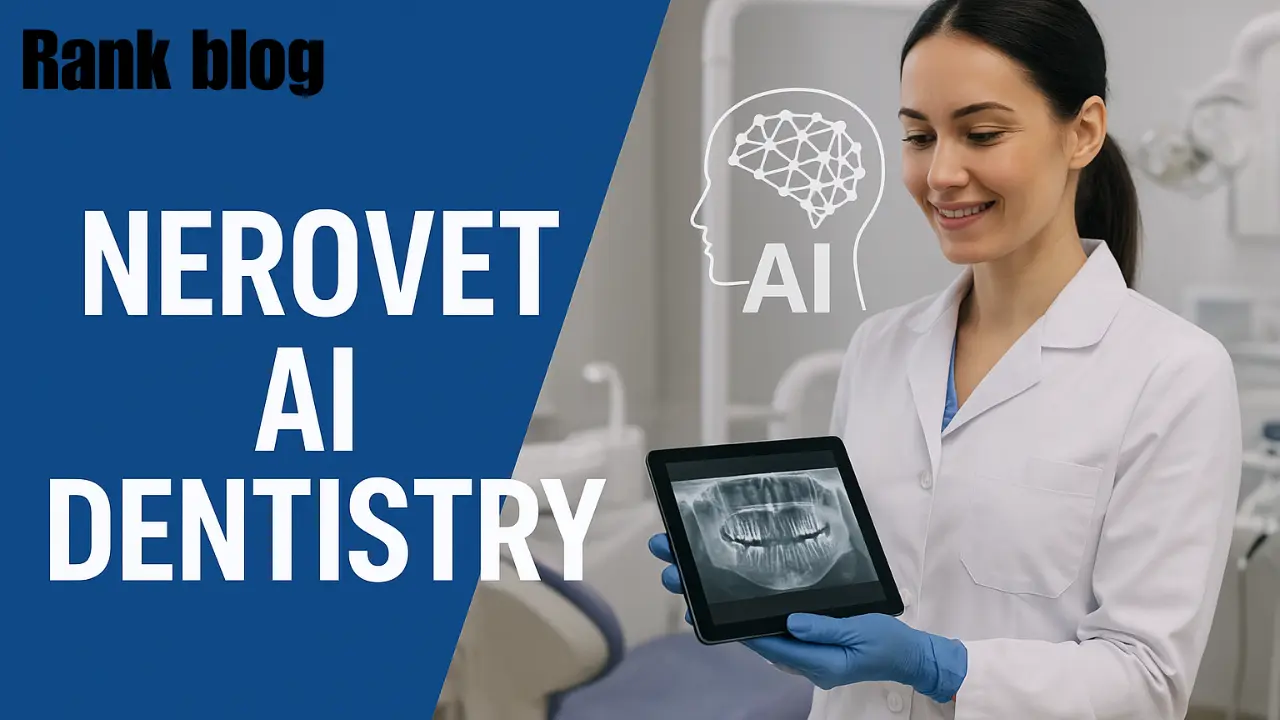
Dentistry has always been a field that blends science, art, and precision. The ability to diagnose, treat, and maintain oral health relies not just on clinical skill but also on technology. Over the years, dental practices have evolved from traditional tools and manual x-rays to digital workflows and computer-guided imaging. The newest and most revolutionary advancement in this field is nerovet ai dentistry, a breakthrough that’s transforming the way dental professionals deliver care. This technology brings a new era of efficiency, accuracy, and personalized treatment planning that’s reshaping the foundation of dental medicine. From enhanced diagnostics to improved patient experience, this innovation represents one of the most promising steps forward in the evolution of oral healthcare.
Understanding the Concept of Nerovet AI Dentistry
Nerovet ai dentistry is an advanced digital platform designed to analyze dental images, patient records, and oral health data to support dentists in their daily practice. It integrates modern computer-vision systems and pattern recognition tools that process dental x-rays, panoramic scans, and intraoral photographs with incredible speed and precision. The goal is not to replace the expertise of the dentist but to enhance their ability to make informed, confident decisions.
The foundation of nerovet ai dentistry lies in its ability to identify patterns that the human eye might overlook. Subtle signs of early decay, bone density changes, or micro-fractures that are invisible in standard scans can be detected through deep image analysis. This allows dentists to diagnose problems earlier and create more effective treatment plans. In addition, it helps bridge the gap between general practitioners and specialists, making high-quality diagnostics accessible even in smaller clinics or developing regions.
How Nerovet AI Dentistry Works in the Modern Clinic
When a dental professional captures an x-ray or scan, the system processes the image within seconds. It highlights potential problem areas such as cavities, lesions, bone loss, or misalignment. The platform provides visual feedback with confidence scores, giving dentists a clearer picture of what requires attention. This doesn’t just save time — it transforms the diagnostic process into something more consistent and reliable.
Beyond image analysis, nerovet ai dentistry incorporates predictive insights by studying patterns from patient histories and previous treatments. It helps forecast potential issues such as gum recession, tooth mobility, or implant complications. The technology can also organize administrative data, automate charting, and generate visual explanations that dentists can share with patients. In this way, clinics can deliver precise and engaging consultations without long waiting times.
Precision and Accuracy in Diagnostics
One of the most significant advantages of nerovet ai dentistry is the improvement in diagnostic accuracy. Human diagnosis is sometimes influenced by fatigue, experience level, or image quality. With this platform, such variables are minimized. It provides consistent image interpretation, ensuring that nothing critical is overlooked. This is especially important for detecting small lesions, hidden cavities, or periodontal issues that might otherwise progress unnoticed.
Accurate diagnostics also reduce the chances of unnecessary treatments or delayed interventions. A dentist can now identify the earliest stages of a dental problem and act before it becomes serious. This level of precision leads to better outcomes for patients, reduced costs, and greater trust in the treatment process. The ability to visualize and communicate findings clearly helps both dentists and patients feel more confident about the care being delivered.
Enhancing Patient Experience and Communication
Dentistry often struggles with patient anxiety, especially during diagnosis and treatment explanation. Many people find it hard to understand what’s happening inside their mouths or why certain procedures are necessary. Nerovet ai dentistry changes that by making complex data easy to understand. It converts scan results into visual images and simulations that dentists can show to patients, illustrating conditions like tooth decay, bone loss, or the impact of poor oral hygiene.
This visual storytelling builds trust and transparency. Patients are more likely to agree to treatment when they can see the evidence for themselves. They also feel reassured knowing that their dentist is using advanced, evidence-based tools. For dental practices, this not only improves patient relationships but also boosts the overall reputation of the clinic as a modern, forward-thinking facility.
Personalized and Preventive Dental Care
Another major strength of nerovet ai dentistry is its ability to promote personalized and preventive care. Instead of waiting for problems to appear, dentists can now anticipate risks and intervene early. The system analyzes lifestyle habits, medical history, and imaging data to predict which areas of the mouth are more susceptible to decay or gum disease. It helps tailor preventive strategies like fluoride treatments, scaling schedules, and hygiene recommendations to each patient’s unique needs.
This proactive approach doesn’t just protect oral health; it also saves patients from costly and invasive treatments later on. In a broader sense, this aligns with the modern shift in healthcare moving from reactive to preventive models. By providing insights based on real data, dentists can educate patients about their risk factors and help them make informed choices for long-term wellness.
Transforming Dental Workflow and Efficiency
The benefits of this system extend beyond diagnostics and prevention. Nerovet ai dentistry significantly enhances clinic efficiency by automating repetitive administrative and clinical tasks. Appointment scheduling, report generation, and patient data management can all be streamlined through the same digital interface. This reduces manual errors and allows dentists and staff to focus more on patient care rather than paperwork.
In multi-chair clinics or hospitals, this efficiency translates to shorter waiting times, smoother coordination among dental teams, and better patient turnover without compromising quality. The overall workflow becomes faster and more predictable, which is crucial in busy practices. It also facilitates remote consultations and tele-dentistry, allowing professionals to collaborate or offer opinions on digital cases seamlessly.
Applications Across Dental Specialties
The impact of nerovet ai dentistry reaches across multiple branches of oral health. In general dentistry, it helps detect caries, root infections, and bone loss with unprecedented accuracy. For orthodontics, it assists in predicting tooth movement and designing custom aligners that perfectly match each patient’s dental structure. In implantology, it supports precise planning of implant positions by analyzing bone density, nerve pathways, and jaw shape.
Prosthodontics benefits from digital modeling that ensures crowns, bridges, and dentures fit with greater precision and comfort. In periodontics, early signs of gum disease can be detected before significant damage occurs, allowing for early intervention. Across every specialty, the result is the same better outcomes, fewer complications, and happier patients.
Challenges and Limitations
Despite its impressive capabilities, nerovet ai dentistry is not without challenges. One of the main concerns is the cost of implementation. Smaller clinics may struggle with the investment required for the technology, training, and integration into existing systems. There’s also the issue of data privacy, as dental imaging and health records contain sensitive patient information that must be securely stored and transmitted.
Another limitation lies in the dependence on high-quality input data. Poorly captured x-rays or incomplete records can reduce accuracy, and professional oversight remains crucial. Dentists must remember that this technology is an assistant, not a replacement for clinical judgment. Ethical considerations, such as transparency with patients about how digital systems are used in their care, are also important for maintaining trust and integrity.
Global and Local Impact
In developed countries, dental technology has already taken deep roots, with clinics adopting digital workflows, 3D scanning, and computer-guided surgeries. Nerovet ai dentistry adds another layer of advancement that makes diagnosis and treatment planning even more precise. However, in countries like Pakistan and other developing regions, its potential may be even greater. Many clinics face shortages of specialized radiologists or advanced imaging equipment. By integrating such intelligent systems, they can bridge gaps in expertise and bring high-quality diagnostics to areas that previously lacked access.
Furthermore, the digital shift can help standardize care across clinics, reducing disparities in diagnosis and treatment outcomes. With proper training and support, even small dental practices can compete with larger institutions, providing advanced care to their communities.
The Future of Dentistry with Nerovet AI Dentistry
Looking ahead, nerovet ai dentistry represents just the beginning of a much broader transformation. As technology continues to evolve, integration with 3D printing, robotic assistance, and real-time digital scanning will become more common. Dental surgeries might soon rely on fully guided systems where human expertise and intelligent tools work side by side for flawless precision.
Patient records, imaging, and treatment data will likely merge into unified digital ecosystems, allowing lifelong oral health tracking. Preventive strategies will become more accurate, and dental education will evolve to include training on interpreting and managing digital insights. This future points toward dentistry that is not only more efficient but also more compassionate, patient-centered, and accessible.
Ethical and Professional Considerations
As with any major innovation, the rise of nerovet ai dentistry brings ethical questions about data handling, consent, and professional responsibility. Dentists must ensure patients understand that these digital systems serve as support tools. Clear communication about data use and privacy protection builds trust. Professional associations and regulatory authorities will need to develop guidelines that ensure safety and accountability while encouraging innovation.
Ongoing education is also critical. Dental professionals must keep up with the pace of digital change, learning how to interpret digital reports and integrate them into traditional clinical decision-making. In doing so, they can maintain the essential human element of care that technology should always enhance, not replace.
Why Nerovet AI Dentistry Matters
Ultimately, nerovet ai dentistry matters because it combines the strengths of human expertise with digital precision. It offers faster, safer, and more personalized care that benefits both dentists and patients. From accurate diagnosis to better communication and preventive strategies, it redefines what modern dentistry can achieve. The clinics that adopt such technology early will likely stand at the forefront of dental innovation, offering unmatched service quality and patient satisfaction.
For patients, it means fewer surprises, clearer understanding, and more predictable results. For professionals, it provides tools that enhance confidence and expand capabilities. Together, these benefits make this innovation not just a trend but a permanent part of the future of oral health.
Frequently Asked Questions (FAQs)
1. What is nerovet ai dentistry?
Nerovet ai dentistry is an advanced digital system used in dental care to analyze images, improve diagnostic accuracy, and assist in treatment planning for more precise and efficient dental procedures.
2. How does nerovet ai dentistry improve dental diagnostics?
It processes dental x-rays and scans within seconds, detecting issues such as decay, bone loss, or fractures that might be missed in manual reviews, allowing earlier and more accurate diagnosis.
3. Can nerovet ai dentistry replace a dentist?
No. It is designed to assist dental professionals, not replace them. The dentist remains responsible for interpretation, clinical judgment, and patient care decisions.
4. Is nerovet ai dentistry suitable for small clinics?
Yes, though cost and training can be challenges. Smaller clinics that adopt it benefit from faster workflow, improved accuracy, and enhanced patient communication.
5. What is the future of nerovet ai dentistry?
The future includes broader integration with 3D scanning, digital modeling, and patient data systems, leading to more personalized, preventive, and efficient dental care worldwide.
About the Author