
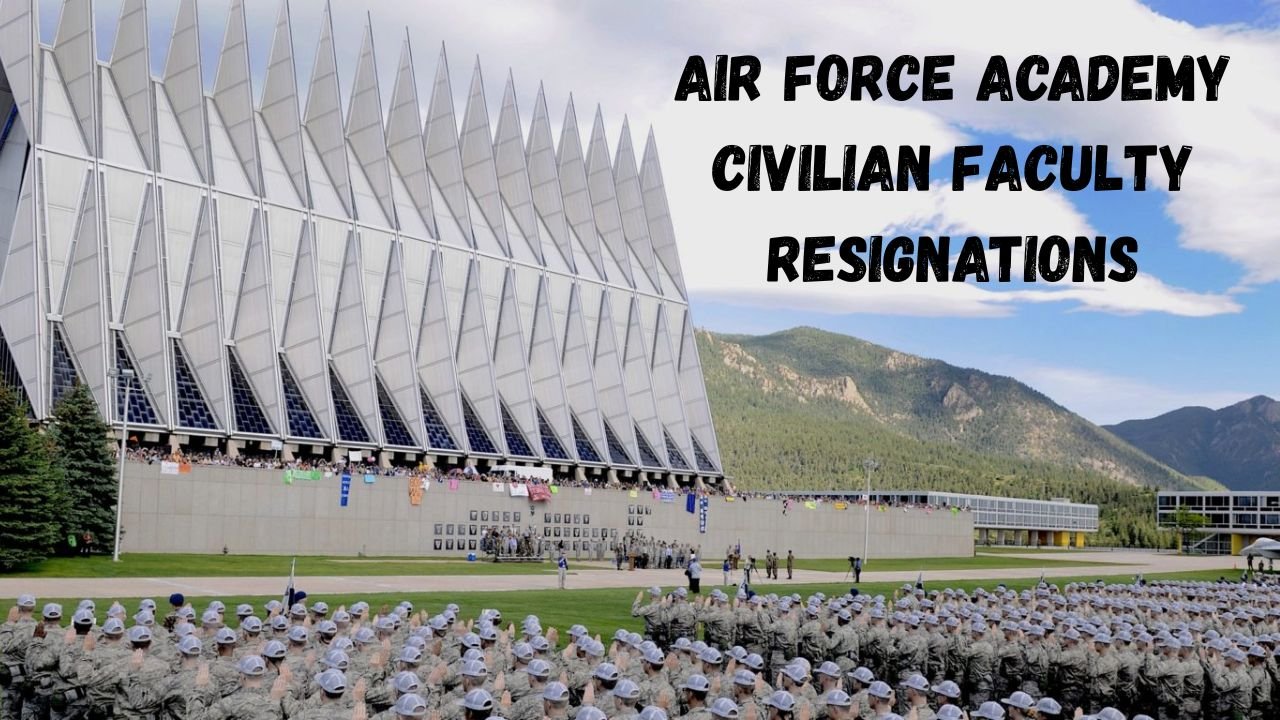
The topic of (Air Force Academy Civilian Faculty Resignations) has gained serious attention in recent years. Many readers want clear answers. Parents, educators, cadets, and taxpayers all ask the same question. Why are experienced civilian professors leaving one of the most respected military academies in the world? More importantly, what does this mean for education, leadership, and the future of the U.S. Air Force?
This article explains the issue in simple language. It uses real-world context, practical insight, and balanced analysis. You will understand what is happening, why it matters, and what could come next. The goal is not to create fear. The goal is to inform, explain, and help readers think clearly about a complex situation.
What Makes Civilian Faculty Important at the Air Force Academy
Civilian faculty play a special role at the U.S. Air Force Academy. They bring long-term academic stability. Many hold doctoral degrees and have decades of teaching experience. Unlike rotating military instructors, civilian professors often stay for many years. This allows them to build strong programs and mentor cadets deeply.
Civilian educators teach core subjects like math, science, engineering, history, and ethics. These subjects require deep expertise and consistent instruction. Cadets benefit from professors who know how students learn over time. This balance between military leadership and academic depth is part of what made the Academy respected worldwide.
When people talk about air force academy civilian faculty resignations, they worry about losing that balance. Education at a service academy is not only about discipline. It is also about thinking, research, and innovation.
When the Resignations Started and Why They Drew Attention
The recent wave of resignations did not happen overnight. It built slowly over time. Early retirements, voluntary exits, and unfilled positions started to add up. Eventually, faculty numbers dropped enough that people noticed.
Reports suggested dozens of civilian instructors left within a short period. Some left through early retirement programs. Others accepted voluntary resignation offers. A few chose to leave because of uncertainty about their future roles.
The phrase air force academy civilian faculty resignations became a headline because of scale and timing. When many educators leave at once, departments feel the pressure. Course planning becomes harder. Faculty workloads increase. Students feel the effects in subtle ways.
The Role of Federal Workforce Reduction Policies
One major factor behind the resignations is federal workforce policy. The Department of Defense reviewed civilian positions across many institutions. The goal was to reduce costs and reshape staffing needs.
At the Academy, this meant identifying positions for defunding or restructuring. Some roles were eliminated. Others were left unfilled after employees departed. Programs like deferred resignation and early retirement encouraged eligible staff to leave.
For some faculty members, the choice felt practical. They took financial incentives and planned retirement. For others, the uncertainty pushed them to look elsewhere. This policy-driven environment strongly influenced air force academy civilian faculty resignations.
How Deferred Resignation and Early Retirement Programs Worked
Deferred resignation programs offered employees a way to leave while still receiving pay for a set time. Early retirement options allowed eligible faculty to retire sooner with benefits. These programs were legal and voluntary.
However, voluntary does not always mean easy. Some faculty felt pressured by unclear communication. Others worried that staying might lead to future job loss without incentives.
From an administrative view, these programs reduced payroll costs quickly. From an academic view, they removed experienced educators faster than replacements could be found. This mismatch created stress inside departments and classrooms.
Concerns About Academic Quality and Continuity
Academic quality depends on consistency. When many experienced professors leave, courses change. New instructors need time to adjust. Research projects may pause or end.
Critics of the changes argue that losing civilian faculty harms long-term learning. Military instructors are highly capable leaders. Yet many rotate every few years. Civilian professors often provide continuity that supports curriculum depth.
The discussion around air force academy civilian faculty resignations often focuses on this issue. Can academic excellence continue with fewer civilian educators? Supporters say yes, with adjustments. Critics say the risk is real and should not be ignored.
Impact on Cadets and the Classroom Experience
Cadets may not notice changes right away. Classes still meet. Lessons still happen. Over time, though, subtle effects appear. Larger class sizes can reduce personal attention. New instructors may teach fewer specialized electives.
Cadets also rely on mentors. Long-serving civilian professors often guide students through academic challenges and career decisions. Losing those mentors can affect confidence and growth.
For a future officer, education shapes leadership style. That is why air force academy civilian faculty resignations matter beyond numbers. They affect people who will later lead airmen and missions.
How the Academy Responded to Faculty Departures
The Academy did not ignore the issue. Leadership reassigned staff and hired additional military instructors. Some departments adjusted course schedules. Others combined sections or revised electives.
Officials stated that all majors remained intact. They emphasized commitment to academic standards. In some cases, military faculty brought recent operational experience into the classroom.
These steps helped stabilize programs in the short term. However, replacing decades of academic experience is not easy. The response shows effort, but the long-term outcome remains a subject of discussion.
Accreditation and Institutional Reputation Concerns
Accreditation bodies review faculty qualifications carefully. They look at teaching credentials, research output, and program stability. A sudden loss of civilian PhD holders can raise questions.
Some educators expressed concern that reduced civilian presence might affect accreditation reviews. Even the possibility of scrutiny can damage reputation.
The Academy’s leadership maintains that standards are met. Still, air force academy civilian faculty resignations brought attention to how staffing changes connect to academic trust and public confidence.
Balancing Military Needs With Academic Excellence
A service academy has a dual mission. It prepares officers for military service. It also provides a university-level education. These goals sometimes pull in different directions.
Military instructors offer real-world leadership experience. Civilian faculty offer deep academic specialization. The strongest programs use both.
The resignations highlight how fragile that balance can be. Reducing one side too much risks weakening the whole system. Thoughtful planning is needed to keep both missions strong.
Lessons From Other Military and Federal Institutions
Other military academies and federal schools have faced similar challenges. Budget shifts and workforce reforms often lead to staff reductions. Institutions that managed change well focused on communication and phased transitions.
Clear timelines help faculty plan. Early hiring prevents gaps. Listening to staff concerns builds trust. These lessons apply directly to discussions around air force academy civilian faculty resignations.
Learning from past experiences can guide better decisions in the future.
What This Means for the Future of the Academy
The future depends on choices made now. If civilian faculty roles are valued and protected, academic strength can continue. If reductions continue without replacements, risks grow.
The Academy still attracts talented educators. It still holds strong traditions. Addressing concerns openly can rebuild confidence among faculty and students alike.
The conversation about air force academy civilian faculty resignations should lead to solutions, not blame. Education, like leadership, improves through honest reflection.
Why This Topic Matters to the Public
Taxpayers fund the Academy. Families trust it with their children. The nation depends on its graduates. That makes transparency essential.
Understanding why faculty leave helps citizens evaluate policy decisions. It also helps ensure that military education remains strong, ethical, and effective.
This issue is not about politics. It is about people, learning, and national service.
Conclusion Moving Forward With Clarity and Care
The issue of air force academy civilian faculty resignations is complex but important. It involves budgets, policies, careers, and education quality. Civilian faculty bring stability, depth, and mentorship that are hard to replace quickly.
The Academy has taken steps to adapt, and many programs remain strong. Still, long-term planning is critical. Open communication and balanced staffing can protect academic excellence.
By understanding the facts and listening to all sides, stakeholders can support a future where military leadership and education grow together. Awareness is the first step toward thoughtful action.
Frequently Asked Questions (FAQs)
What are air force academy civilian faculty resignations?
They refer to civilian professors leaving the U.S. Air Force Academy through retirement, voluntary resignation, or workforce reduction programs.
Why are civilian faculty important at the Academy?
They provide long-term academic experience, research expertise, and stable mentorship for cadets.
Did budget cuts cause these resignations?
Budget-related workforce policies played a major role, including early retirement and deferred resignation programs.
Are cadets affected by these changes?
Some effects include larger classes, fewer electives, and reduced long-term mentorship, though core programs continue.
Will the Academy replace the lost civilian faculty?
Leadership has reassigned staff and added military instructors, but long-term civilian hiring plans remain an ongoing discussion.
Read More: Geekzilla Tio Geek: Your Friendly Guide to Geek Culture
About the Author