Have you ever been mid-shampoo when the water suddenly turns ice-cold? It is a shock nobody likes! This usually happens because traditional tanks run out of hot water. Many homeowners are now switching to “on-demand” systems to avoid this. But before you make the jump, you likely want to know about the tankless water heater cost. In 2026, these systems are more popular than ever because they save space and energy. However, the price you pay upfront can be quite different from what you might expect for a standard tank.
In this guide, we will break down every penny. We will look at the price of the machine itself and the money you will pay a plumber to set it up. We also want to help you see the “big picture.” While the tankless water heater cost is higher on day one, it can save you a lot of money over twenty years. Let’s dive into the details so you can decide if this is the right move for your home and your wallet.
Quick Summary: Tankless Water Heater Cost at a Glance
| Feature | Electric Tankless | Gas Tankless (Natural/Propane) |
| Average Unit Cost | $500 – $1,500 | $750 – $2,200 |
| Installation Labor | $300 – $1,000 | $600 – $2,500 |
| Total Estimated Price | $800 – $2,500 | $1,350 – $4,700 |
| Life Expectancy | 20+ Years | 20+ Years |
| Annual Maintenance | Low ($0 – $100) | Moderate ($150 – $300) |
Understanding the Initial Tankless Water Heater Cost
The first thing you will notice is the price tag on the box. In 2026, a high-quality unit usually starts around $500 for electric and $750 for gas. This is just the “sticker price” for the equipment. Some fancy models with smart features or higher “flow rates” can go much higher. A flow rate tells you how many showers can run at the same time. If you have a big family, you will need a more powerful unit, which increases your tankless water heater cost.
Why Installation Labor Changes the Price
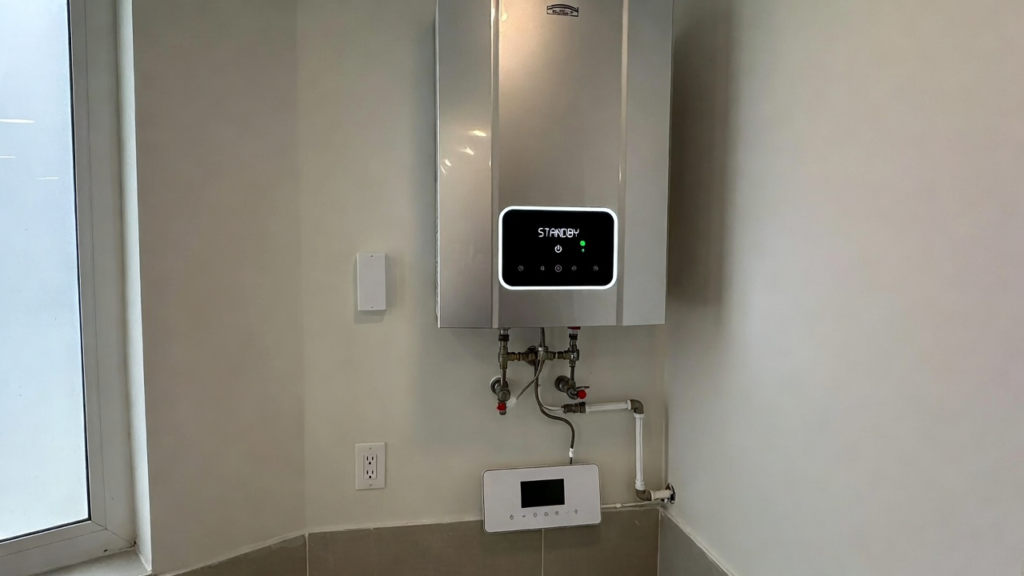
You cannot just “plug and play” most of these units. You need a licensed pro. Plumbers in 2026 usually charge between $75 and $150 per hour. Since a tankless setup can take 4 to 8 hours, labor is a huge part of the tankless water heater cost. If you are replacing an old tank, the plumber has to remove the old one and change the pipes to fit the new small box. This extra work is why labor often costs as much as the unit itself.
Gas vs. Electric: Which is Cheaper?
When looking at the tankless water heater cost, electric models are almost always cheaper to buy and install. They don’t need special chimneys or vents. However, gas models are often more powerful. If you live in a very cold place, a gas unit might be better at heating very cold water quickly. Even though gas units cost more at the start, they can sometimes be cheaper to run every month depending on your local utility rates.
The Hidden Costs of Retrofitting
If you are switching from a tank to a tankless system, watch out for “hidden” fees. For example, a gas tankless unit needs a special stainless steel vent to stay safe. This can add $400 to $800 to your tankless water heater cost. Similarly, an electric unit might need a new circuit breaker. If your home’s electrical panel is old, upgrading it could cost another $1,000. It is always smart to get an inspection before you buy.
Size Matters: GPM and Your Budget
GPM stands for “Gallons Per Minute.” This is how much hot water the machine can make at once. A small unit (2-3 GPM) is great for a tiny apartment. But a large home with three bathrooms needs 7-10 GPM. As the GPM goes up, so does the tankless water heater cost. Choosing a unit that is too small means you’ll still get those “cold shocks” in the shower, so don’t try to save money by getting a size that’s too small for your needs.
Energy Savings: The Long-Term Reward
The best part about the tankless water heater cost is the payback. Traditional tanks waste energy by keeping 50 gallons of water hot all night while you sleep. Tankless units only turn on when you turn the knob. This can lower your energy bill by 20% to 34%. Over 15 or 20 years, those monthly savings can actually pay for the entire cost of the unit! It’s like putting money in a piggy bank every time you wash your hands.
Maintenance and Upkeep Expenses
To keep your unit running for 20 years, you have to take care of it. Most pros recommend “flushing” the unit once a year to get rid of mineral buildup. If you hire someone, this adds about $150 to your yearly tankless water heater cost. If you have “hard water” (water with lots of minerals), you might need a water softener too. Keeping it clean prevents the heater from breaking down early, which saves you from buying a new one too soon.
Tax Credits and Rebates in 2026
Don’t pay full price if you don’t have to! In 2026, many governments offer “green” tax credits for installing energy-efficient appliances. You could get up to $600 back on your taxes for a qualifying model. Some local power companies also give instant rebates. This can significantly lower your total tankless water heater cost. Always check for the “Energy Star” label and ask your plumber about local deals before you sign the check.
Condensing vs. Non-Condensing Models
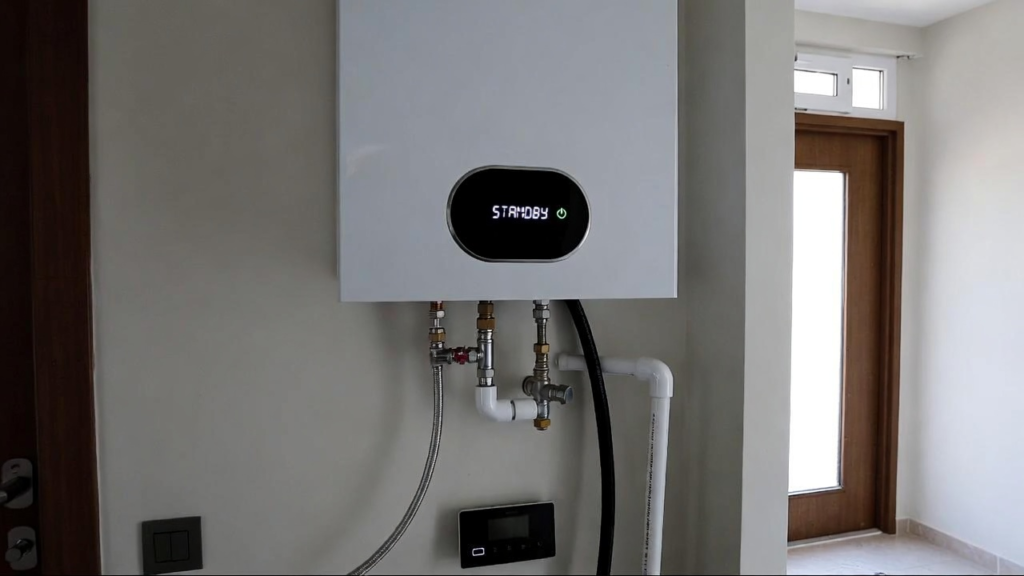
This sounds technical, but it’s simple. Non-condensing units are cheaper at first but less efficient. Condensing units are more expensive but they squeeze every bit of heat out of the fuel. They also use cheaper plastic pipes for venting instead of expensive metal. While the tankless water heater cost for a condensing unit is higher, the lower installation materials and better efficiency usually make it the smarter choice for most modern homes.
Is It Worth the Investment?
At the end of the day, the tankless water heater cost is an investment in your home’s value and your daily comfort. You get more storage space in your garage and you never run out of hot water. If you plan to stay in your home for more than 5 years, the switch is almost always worth it. However, if you are on a very tight budget right now, a standard tank might be the easier short-term choice.
Frequently Asked Questions (FAQs)
1. How much does a tankless water heater cost on average?
Most homeowners spend between $1,500 and $3,500 for both the unit and professional installation. Small electric units can be cheaper, while high-end gas systems can cost more.
2. Can I install a tankless water heater myself to save money?
It is not recommended. These units involve high-voltage electricity or gas lines. Making a mistake could lead to fires or carbon monoxide leaks. Most warranties are only valid if a pro does the job.
3. Does a tankless water heater increase my home value?
Yes! Buyers love energy-efficient upgrades. Having a modern, space-saving hot water system can make your home more attractive when you decide to sell it.
4. How long do these units actually last?
With basic annual cleaning, a tankless unit can last 20 years or more. This is double the lifespan of a traditional tank, which usually lasts about 10 years.
5. Why is gas installation more expensive than electric?
Gas units need a specialized venting system to safely move exhaust outside. They also often require larger gas pipes to handle the high heat demand, which adds to the labor cost.
6. Will I get hot water faster with a tankless unit?
Actually, it takes about the same amount of time. The water still has to travel through the pipes to your faucet. However, once it starts coming, it never stops!
Conclusion
Choosing to upgrade is a big step, but understanding the tankless water heater cost makes it much less scary. While you will pay more at the start compared to a bulky tank, the benefits are huge. You get lower monthly bills, more closet space, and the peace of mind that comes with a long-lasting machine. Just remember to factor in things like venting, electrical upgrades, and annual maintenance to get a true picture of the price.
About the Author